

What is Malaria?
Malaria is caused by an infectious parasite called Plasmodium vivax and other Plasmodium species that invade red blood cells. It is primarily spread by the bite of Anopheles mosquitoes, commonly referred to as malaria mosquitoes that carry the malaria parasite. When these mosquitoes bite humans, they inject the parasite into the bloodstream, where it travels to the liver and later infects red blood cells.
- 080 2525 44 44
- 080 2525 66 66
- 98444 47766
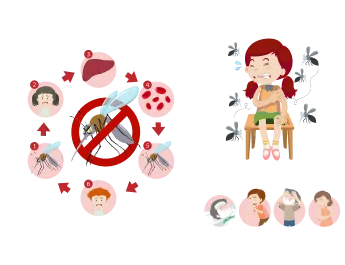
How is Malaria Spread?
High fever:
When an infected malaria mosquito bites a person, it injects sporozoites, which are tiny forms of the malaria parasite, into the bloodstream.
Parasite Travels to Liver:
The sporozoites travel to the liver, where they grow and multiply.
Infects Red Blood Cells:
After a few days, the parasite leaves the liver and enters the bloodstream, where it infects red blood cells, causing them to burst.
Cycle of Infection:
As the red blood cells burst, new parasites are released, and they infect other red blood cells, repeating the cycle and causing symptoms of malaria like fever, chills, and fatigue.
Symptoms of Malaria
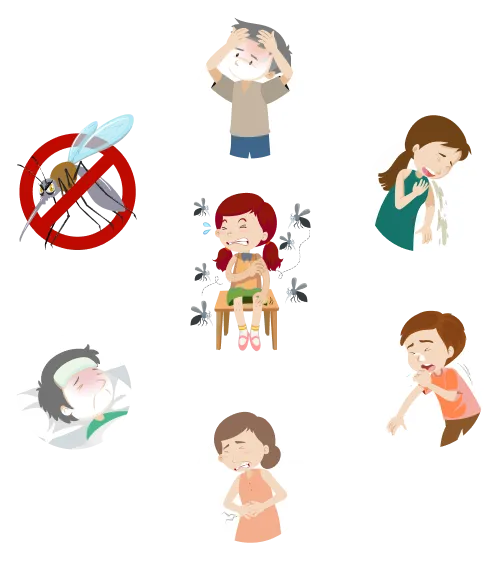
- High fever: One of the first symptoms of malaria is a high fever, which can come in cycles.
- Chills: Feeling cold, even in warm environments, is common.
- Sweating: Heavy sweating often follows the fever.
- Headache: Intense or throbbing headaches are a frequent symptom.
- Fatigue: Extreme tiredness and weakness, even after resting.
- Body aches and muscle pain: Malaria often causes soreness in muscles and joints.
- Nausea and vomiting: Some individuals feel nauseous or throw up.
- Anaemia: Since malaria destroys red blood cells, it can cause anemia, leading to fatigue.
- Yellow skin (jaundice): If the liver is affected, yellowing of the skin and eyes may occur.
If untreated, malaria can lead to severe complications like organ failure, severe anemia, or even death.
How is Malaria Diagnosed?
Blood test: The most common way to diagnose malaria is by examining a blood sample under a microscope to identify the parasite. Rapid diagnostic tests (RDTs) can also detect malaria antigens.
Doctors may test for other diseases with similar symptoms of malaria, like dengue fever or the flu.
Malaria treatment is effective, and early diagnosis improves outcomes. Common treatments include:
- Artemisinin-based combination therapies (ACTs): The most effective for treating Plasmodium falciparum.
- Chloroquine: Beneficial for some forms of malaria
- Quinine: Often used in severe cases or when ACTs are unavailable.
In severe cases, medications may be administered intravenously. Malaria treatment is essential to prevent complications and ensure recovery.
Complications of Malaria
- Severe anaemia: The breakdown of red blood cells results in severe anemia.
- Organ failure: The parasite can severely damage the kidneys, liver, or lungs.
- Cerebral malaria: Affects the brain, leading to confusion, seizures, or coma. This is common with Plasmodium vivax.
- Pregnancy complications: Miscarriages, premature births, or stillbirths are risks for pregnant women.

Prevention of Malaria
Preventing malaria involves avoiding bites from malaria mosquitoes and reducing exposure in endemic regions. Strategies include:
- Using insect repellents.
- Sleeping under insecticide-treated mosquito nets.
- Clearing stagnant water to prevent mosquito breeding.
Malaria and Pregnancy
Pregnant women are at higher risk of complications due to malaria, including severe anaemia, miscarriages, and stillbirth. Preventive malaria treatment is often recommended for pregnant women in endemic areas.
Malaria and Children
Children are particularly vulnerable to severe malaria. Early identification and prompt malaria treatment are critical to prevent life-threatening complications.

Have Questions? We're Here-Reach out to us!
Drug resistance occurs when the malaria parasite evolves and becomes less susceptible or immune to the effects of the drugs used to treat it. Artemisinin resistance is a growing concern, particularly in Southeast Asia, which threatens the effectiveness of ACTs. Drug resistance can make malaria treatment more difficult and may lead to longer illness or more severe outcomes.
Certain factors increase the risk of contracting malaria:
- Travel to endemic areas: Malaria is most common in sub-Saharan Africa, Southeast Asia, and parts of Latin America. People traveling to these regions are at higher risk.
- Lack of immunity: People who have never been exposed to malaria, such as travelers or people living in malaria-free areas, are more susceptible.
- Young children and pregnant women: Both are at increased risk of severe malaria due to weaker immunity or physiological changes.
- Poor access to healthcare: Delayed diagnosis and treatment can lead to complications and death.
- Climate: Malaria is more common in tropical and subtropical climates where mosquitoes breed.
Prevention of malaria focuses on avoiding mosquito bites and using medications:
- Insect repellent: Use of DEET-based repellents on exposed skin and clothing can prevent mosquito bites.
- Mosquito nets: Insecticide-treated bed nets (ITNs) provide a protective barrier during sleep.
- Indoor spraying: Spraying insecticides indoors can kill mosquitoes that are likely to bite.
- Environmental control: Reducing mosquito breeding grounds by eliminating standing water around homes and communities.
- Antimalarial drugs: People traveling to malaria-endemic areas may be given prophylactic (preventive) antimalarial medication such as Atovaquone-Proguanil, doxycycline, or Chloroquine (depending on local resistance patterns) to reduce the risk of infection.
- Vaccine: The RTS, S/AS01 (Mosquirix) malaria vaccine has been approved in some regions and provides partial protection, especially in young children.
If you suspect you have malaria, particularly after traveling to an endemic area, seek medical attention immediately. Early diagnosis and treatment are crucial in preventing complications or death. Malaria should not be treated with over-the-counter medications, as this could delay the effective treatment.
- Cerebral malaria (brain infection, causing seizures, confusion, or coma)
- Acute renal failure (kidney failure)
- Severe anemia
- Respiratory distress (e.g., ARDS)
- Hypoglycemia (dangerously low blood sugar)
- Death: Malaria remains one of the leading causes of death worldwide, especially in children under five and pregnant women in sub-Saharan Africa.