
The biliary system
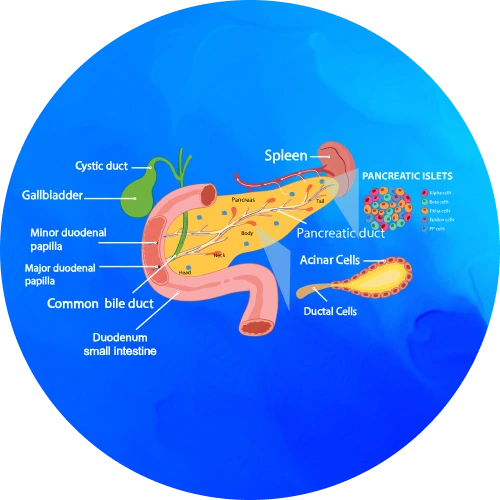
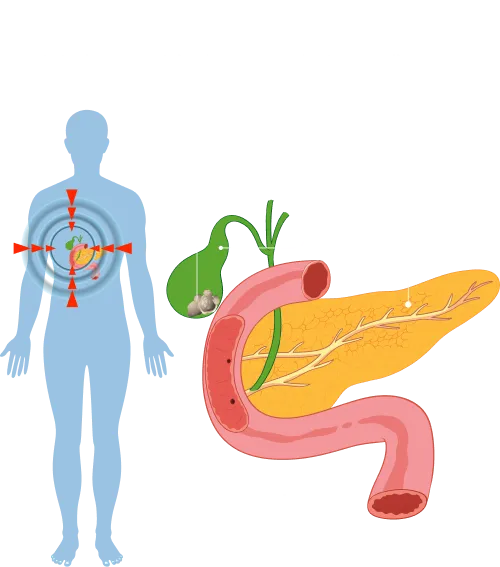
The biliary tract or biliary system comprises the gallbladder and bile ducts. It is responsible for producing and storing bile, a liver-made fat-digesting fluid, and releasing it into the small intestine.
- 080 2525 44 44
- 080 2525 66 66
- 98444 47766
Common Types of Biliary Tract Disease
1. Gallstones (Cholelithiasis)
Solid deposits made of bile form in the gallbladder, ranging in size from tiny grains to large stones.
- Symptoms: Many individuals are asymptomatic, but a stone blocking a bile duct can result in intense abdominal pain, nausea, vomiting, and jaundice (yellowing of skin or eyes).
- Treatment: If symptoms occur, gallbladder removal surgery (cholecystectomy) may be necessary.
2. Cholecystitis (Inflammation of the Gallbladder)
This inflammation arises when gallstones obstruct the bile duct, though it can also occur without stones (acalculous cholecystitis).
- Symptoms: Pain in the upper-right abdomen, nausea, vomiting, fever, and jaundice.
- Treatment: Treatment includes antibiotics for infection and, in some cases, gallbladder removal.
3. Bile Duct Obstruction
This occurs when stones, scar tissue, or tumors block the bile ducts, disrupting bile flow.
- Symptoms: Pain, jaundice, dark-colored urine, and pale stools. Severe cases may lead to cholangitis (a serious infection).
- Treatment: Options include surgery to clear blockages, bile drainage procedures, or the placement of a stent to keep ducts open.
4. Primary Biliary Cholangitis (PBC)
This autoimmune disease causes the body to attack its own bile ducts, leading to liver damage. It predominantly affects women.
- Symptoms: Persistent fatigue, itching, dry eyes and mouth, and jaundice.
- Treatment: Although incurable, medications like ursodeoxycholic acid can slow its progression. In severe cases, a liver transplant may be required.
5. Primary Sclerosing Cholangitis (PSC)
This rare condition results in inflammation and scarring of the bile ducts, often linked to inflammatory bowel disease (IBD).
- Symptoms: Fatigue, jaundice, itching, and occasionally abdominal pain.
- Treatment: While there’s no cure, treatments may include medications, bile duct dilation, or liver transplantation.
6. Bile Duct Cancer (Cholangiocarcinoma)
A rare cancer originating in the cells lining the bile ducts. Early detection is challenging due to a lack of symptoms.
- Symptoms: Jaundice, abdominal discomfort, weight loss, fever, and skin itching.
- Treatment: Depending on the stage, options include surgical removal, chemotherapy, or radiation therapy.
How is Biliary Tract Disease Diagnosed?
Doctors may use the following diagnostic tools:
- Blood Tests: These assess liver function and check for inflammation or infection.
- Ultrasound: A non-invasive scan to detect gallstones, inflammation, or obstructions.
- CT or MRI: Advanced imaging tests to provide detailed visuals of the liver, gallbladder, and bile ducts.
- Endoscopic Retrograde Cholangiopancreatography (ERCP): This procedure uses a flexible tube to examine or remove obstructions in the bile ducts.
- Magnetic Resonance Cholangiopancreatography (MRCP): A non-invasive MRI technique that provides images of the bile ducts.
Lifestyle Changes to Support Biliary Tract Health
While medical treatment is essential, these lifestyle adjustments can enhance liver and biliary tract health:
- Balanced Diet: Consuming fruits, vegetables, lean proteins, and whole grains promotes liver wellness.
- Stay Hydrated: Adequate water intake aids digestion.
- Limit Alcohol: Excessive alcohol intake can damage the liver.
- Maintain a Healthy Weight: Preventing obesity reduces the risk of gallstones.
- Exercise Regularly: Physical activity supports liver function and prevents obesity.
- Avoid Smoking: Smoking exacerbates liver conditions and increases the risk of cancer.
Why Choose LifePlus Hospital?
Expert Team:
Experienced specialists in diagnosing and treating ED.
Tailored Care:
Customized treatment plans for each patient's unique needs.
Confidential Support:
A safe, private environment for your care.
Advanced Technology:
Cutting-edge solutions for optimal results.

Have Questions? We're Here-Reach out to us!
Untreated biliary tract disease can lead to liver damage, infection (cholangitis), gallbladder rupture, and pancreatitis, which can be life-threatening.
Maintaining a healthy weight, eating a balanced diet, and limiting fat intake can reduce the risk of gallstones and other biliary tract problems.
Not always. Surgery, like gallbladder removal (cholecystectomy), may be needed for conditions like gallstones or cholecystitis, but many cases are managed with medications and lifestyle changes.
Cholecystitis is inflammation of the gallbladder, often caused by a blockage (usually from a gallstone) and can cause pain, fever, and nausea.
Choledocholithiasis is the presence of gallstones in the common bile duct, which can block bile flow, leading to jaundice, pain, and potential liver damage.
Jaundice is the yellowing of the skin and eyes, often caused by a blockage in the bile ducts that prevents bilirubin (a component of bile) from being properly eliminated from the body.
Yes, a gallstone blocking the bile duct can also obstruct the pancreatic duct, leading to inflammation of the pancreas (pancreatitis).
Gallstones that cause symptoms may be treated with surgery (gallbladder removal) or other procedures like ERCP to remove stones from the bile duct.